Could One Passion Power Every Subject?
I let my 10-year-old follow his obsession for a semester.
Here's what worked and how it can work for you.
What if the thing they can't stop doing or talking about wasn't a distraction from learning but the engine for it?
First grade, Drew LOVED school and learned quickly. By third grade, school wasn't working for my son. He came home stressed. The spark was dimming. He was starting to believe he wasn't good at learning, which couldn’t be more opposite. He just wasn't good at learning the way school was measuring it.
So we started homeschooling. Then I noticed something. Same kid. Same day. Completely different responses depending on the conditions.
When I tried to teach him with worksheets, he shut down. When I let him experiment with paper airplanes out his bedroom window, he came alive, asking questions, making hypotheses, discovering physics because he wanted to understand why one plane soared and another nosedived.
The difference wasn't him. It was the conditions.
That's when it clicked: my job wasn't to be his teacher. It was to be his facilitator. To design conditions where learning could actually happen and then steward the process as he led.
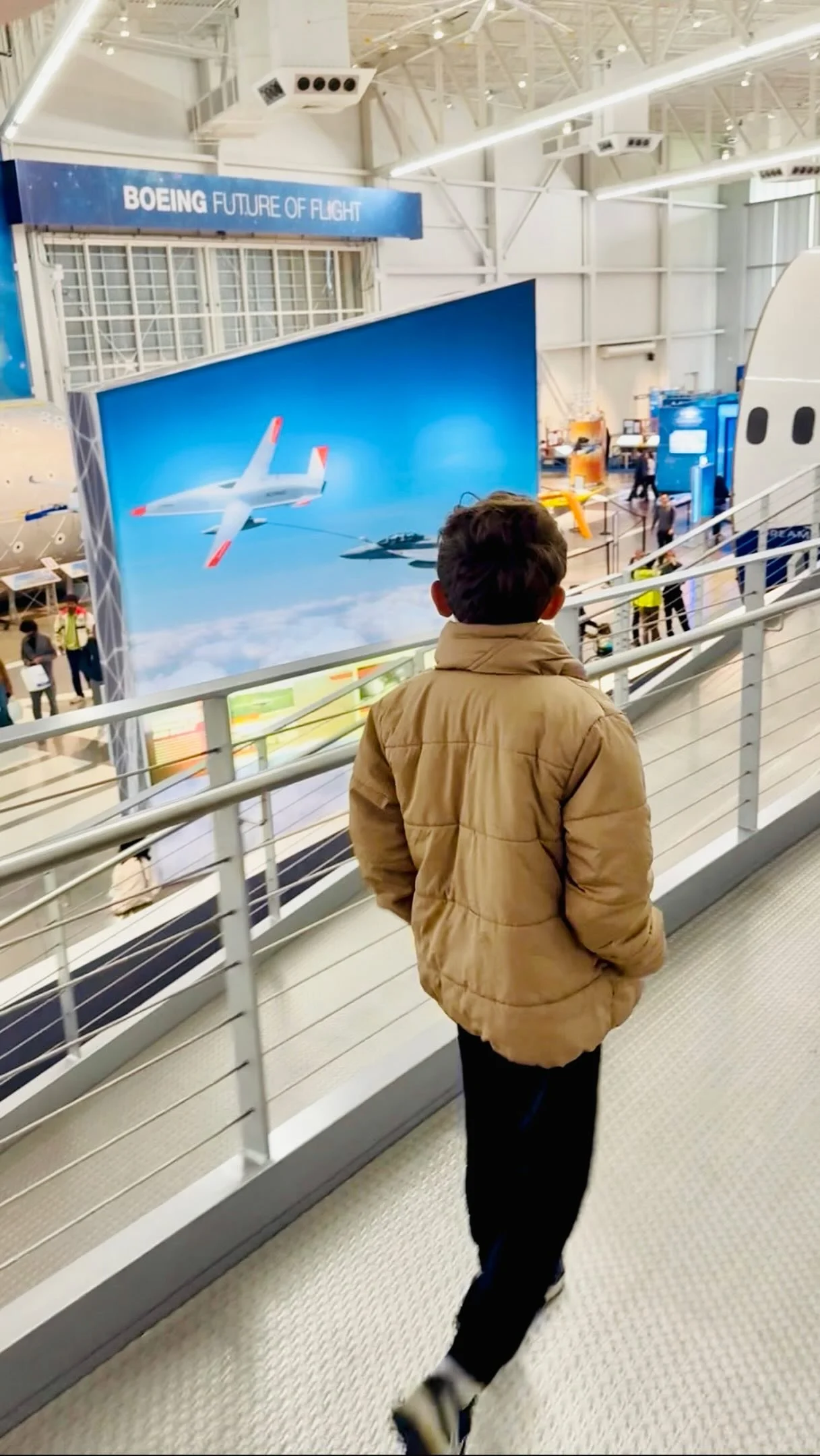
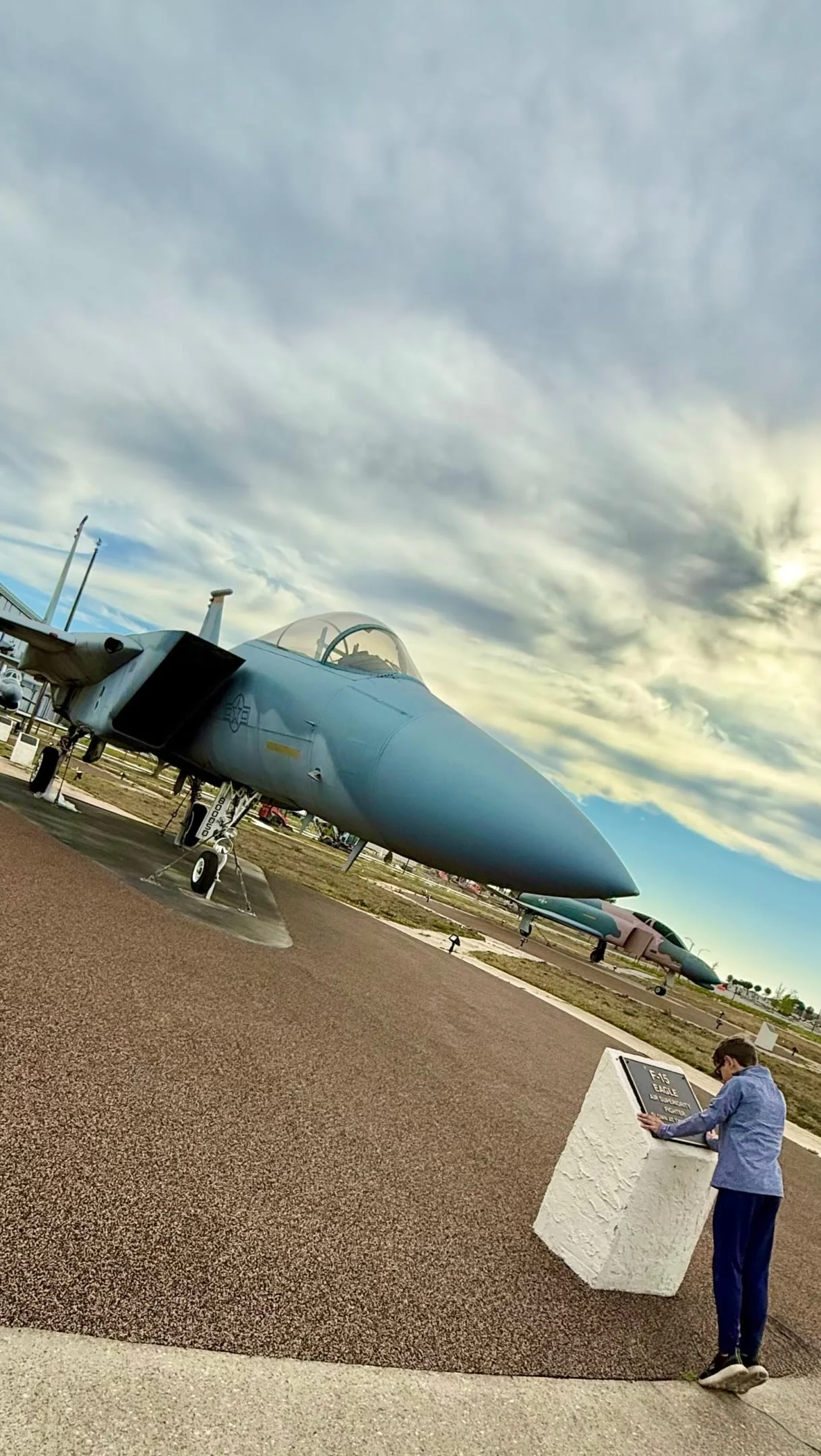
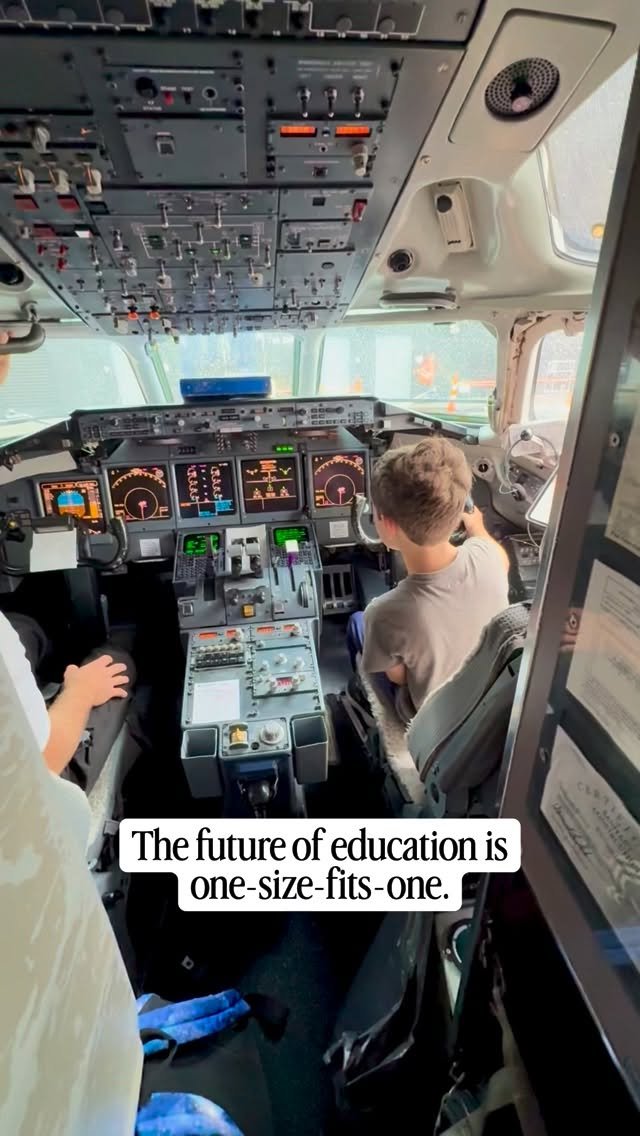
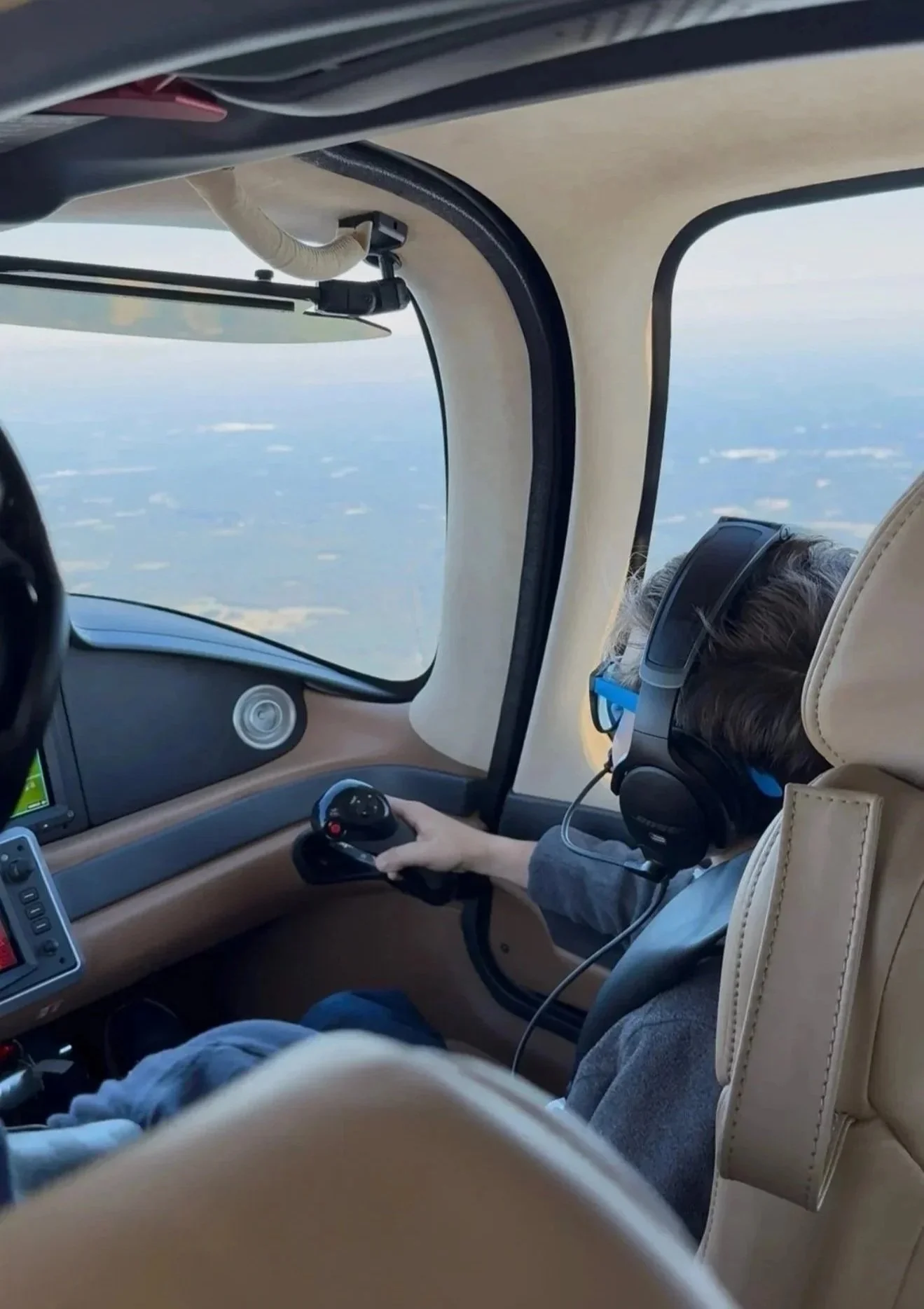
He wanted to be a pilot. He was obsessed with aviation. So we followed the aviation.
How One Obsession Became Endless Opportunities.
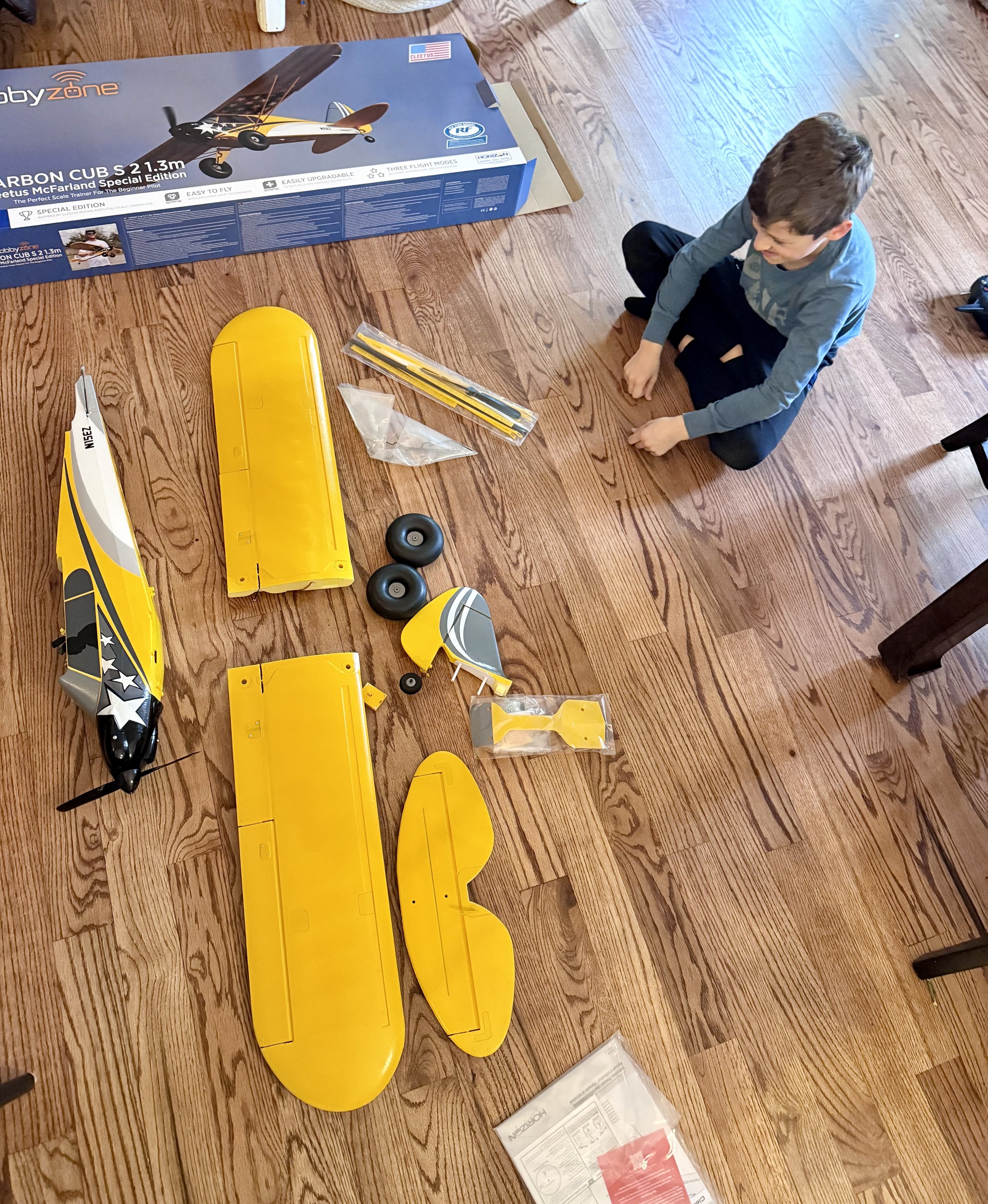
Paper airplanes became physics. We made different designs, hypothesized which would fly farthest and why, then launched them out his bedroom window. When one tumbled unexpectedly, he asked, "Wait, why did it do that?" Suddenly we were talking about drag, lift, and center of gravity.
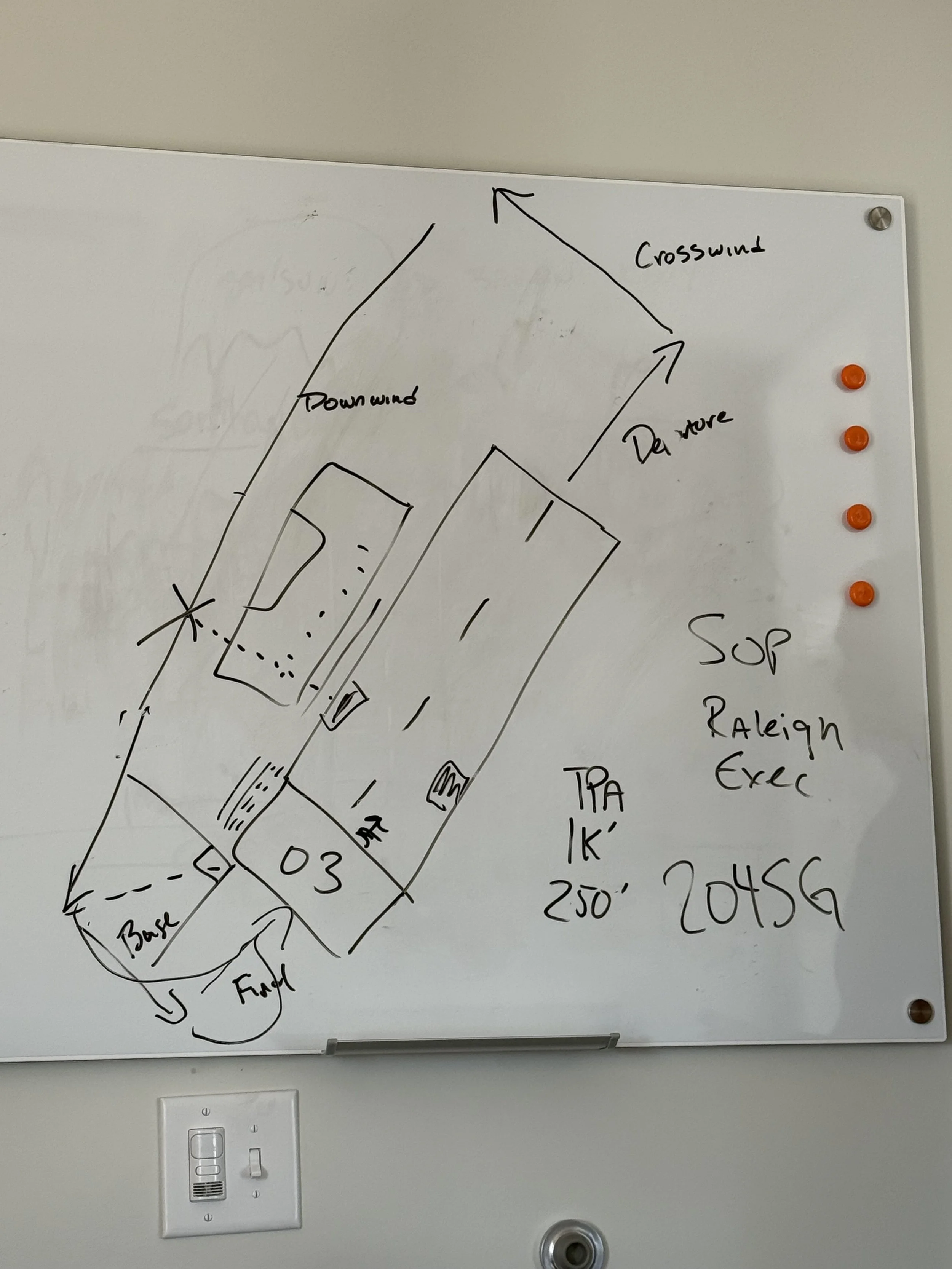
Flight simulators became math. He translated runway designations into cardinal directions. He explained how changing one variable in the lift equation affects flight. The math wasn't the point. It was the tool to understand something he cared about.
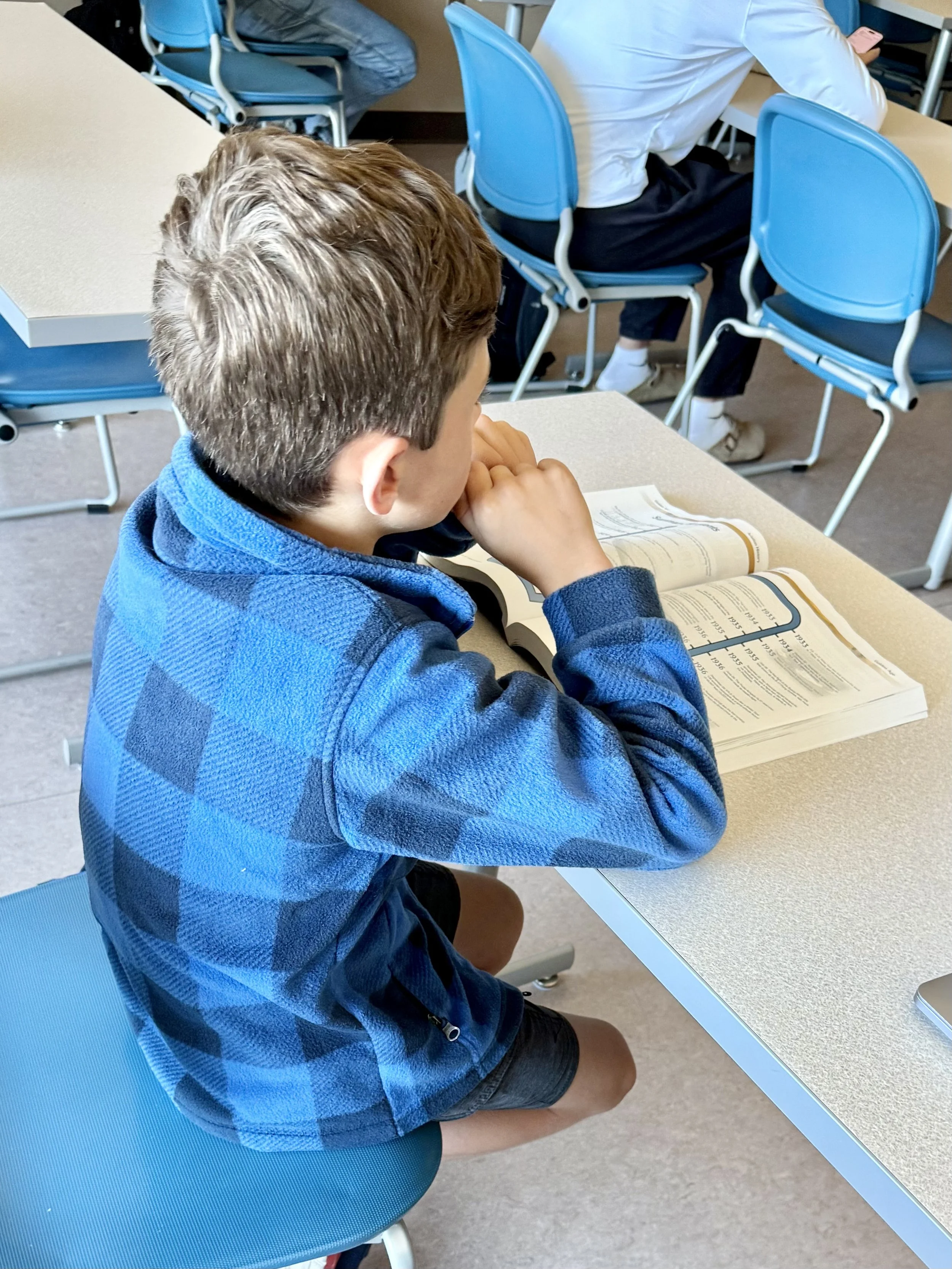
Aviation history became critical thinking. Processing college-level reading on the Wright Brothers, he built a timeline of early inventors. Without prompting, he started drawing arrows between them, mapping who influenced who. Then he asked: "If all of this happened before the Wright Brothers, why did we always say they invented the airplane?" That's a college-level insight. He got there on his own.
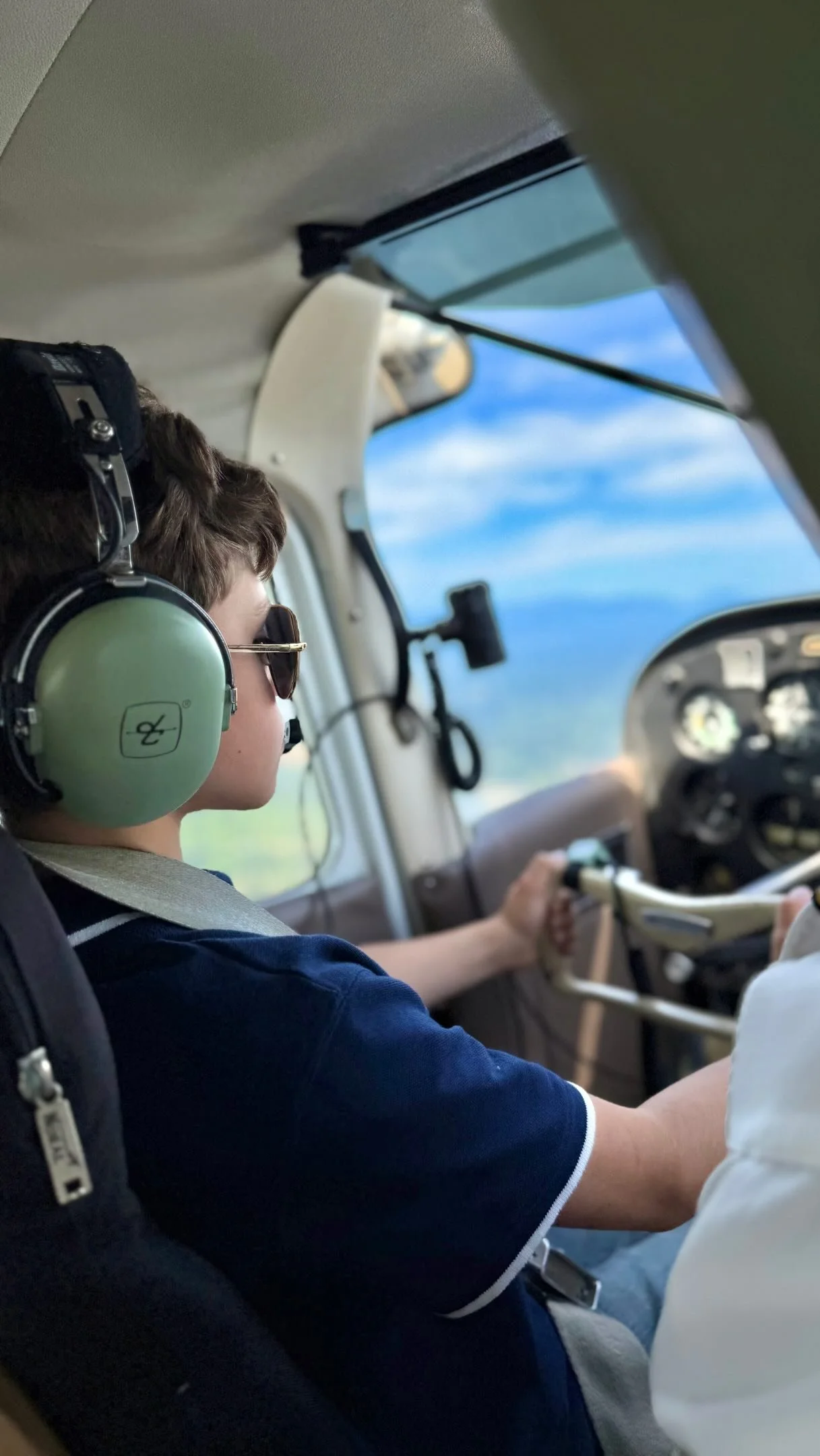
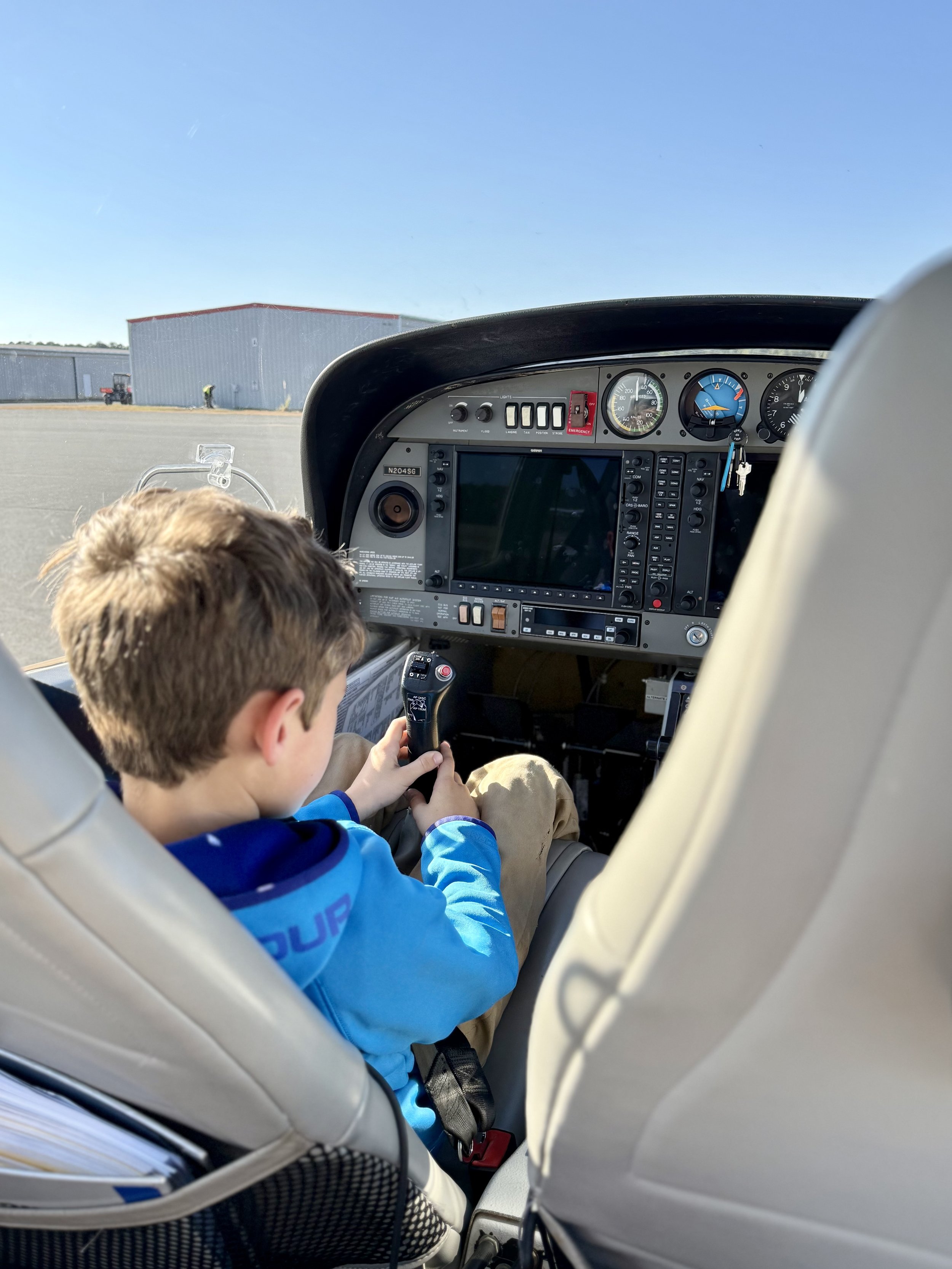
Ground school became self-directed learning. He enrolled himself in an online pilot training program designed for actual student pilots and worked through the modules because he wanted to. At his first real flight lesson, the instructor pointed to parts of the plane and asked what they did. He knew almost all of them, including terms I'd never heard. I hadn't taught him any of it.
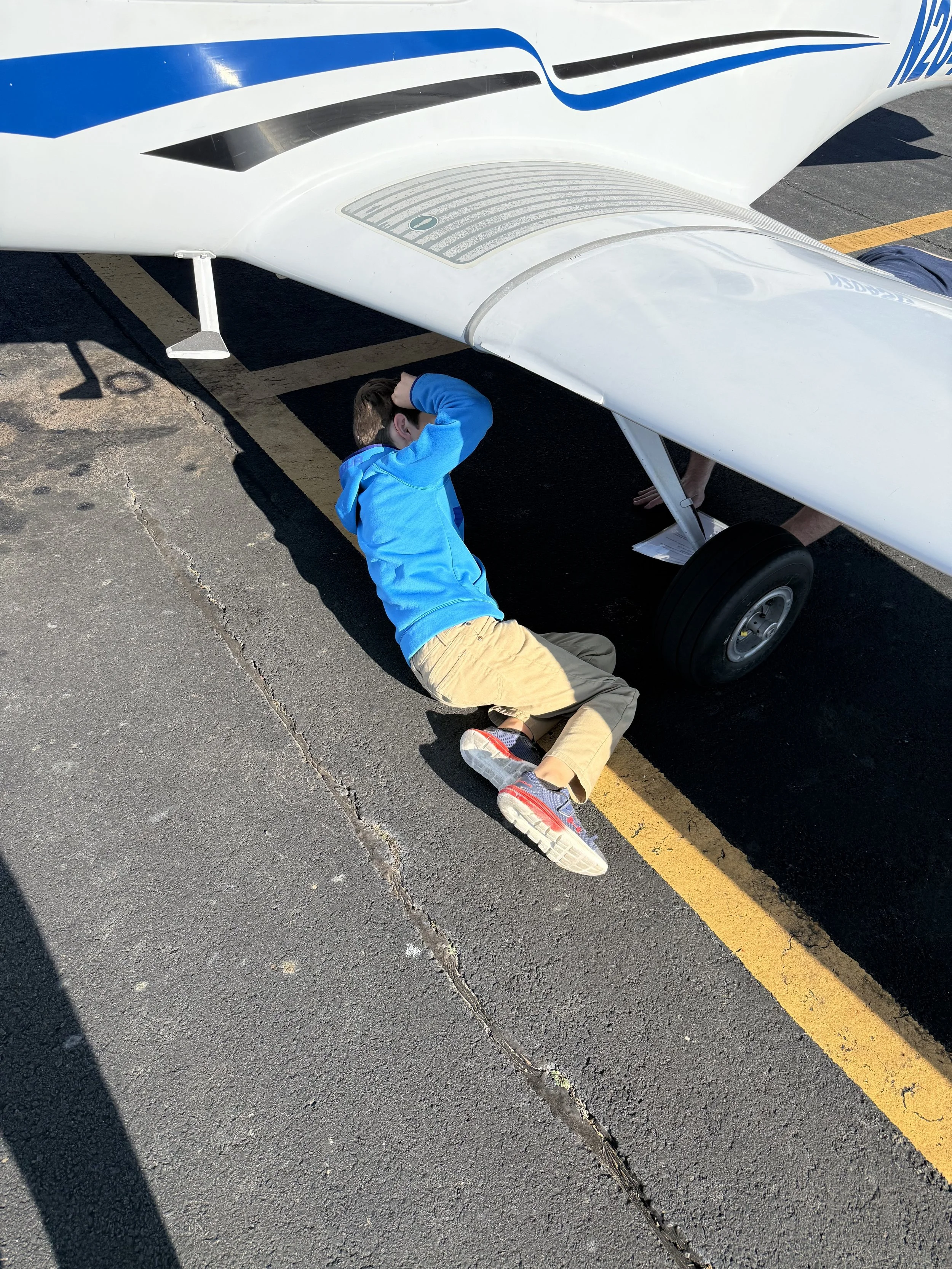
Pre-flight checks became risk assessment. He learned to methodically verify conditions before each flight. Safety wasn't a lecture. It was built into something that mattered to him.
The radio became confidence. At the airport, he had to call the tower for the first time. His hand hovered over the button. He pulled back. Took a breath. Then pressed it and spoke clearly, confidently, professionally. Six weeks earlier, he wouldn't try anything he might fail at.
The question isn't "how do we get them to focus on what we want them to learn?"
It's "what are they already drawn to and how can we build from there?"
It's Not About Aviation. It's About Alignment.
To him, he was getting away with watching aviation videos and playing with planes. To me, it was physics, math, history, critical thinking, and confidence building, all wrapped in something that actually mattered to him.
We were both convinced we'd won. That's the goal.
Researchers call it Self-Determination Theory. I call it designing for alignment. The way we learn should match the way we’re wired.
Every kid has something that pulls them. That thing isn't a distraction from learning. It's the vehicle for it.

Three questions to find your fit:
What can't they stop thinking about? Not what we wish they were interested in. What actually has their attention. That's the thread.
What would happen if we followed it instead of fighting it? Instead of layering subjects on top, what if the obsession became the vehicle for all of them?
What's one small experiment we could try this week? Not a curriculum overhaul. Just one afternoon of letting the passion lead and noticing what emerges.
Want to dig deeper?
This is for you!
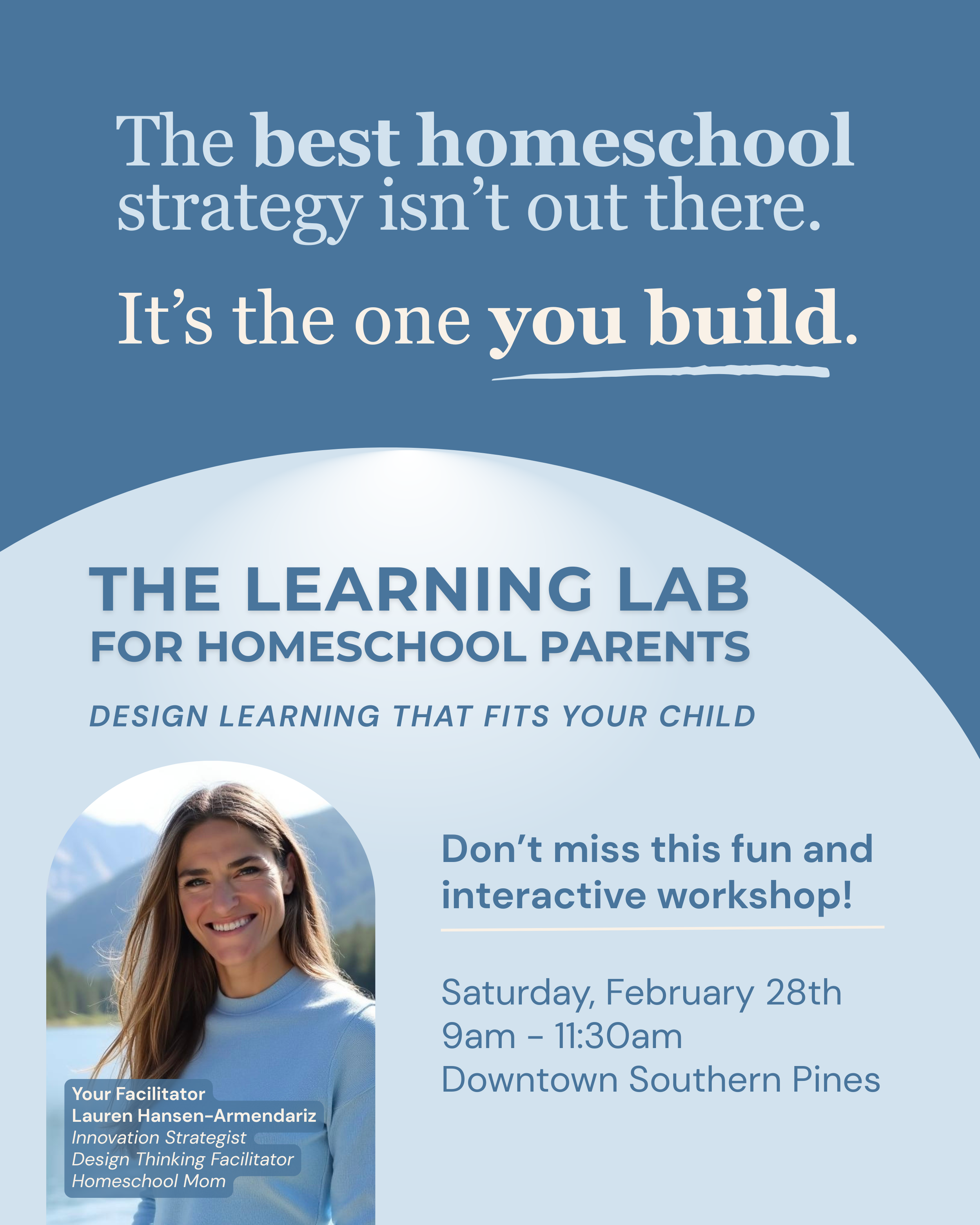
join @roamschool.adventures for